Top gaming licences 2026/2027

Know the game. Make your move.
Where’s best to place your bet?
We've ranked the top 10 iGaming jurisdictions by estimated number of licensed companies to show who’s licensed where in 2026. Then we explore what the top five cost, who they suit, and which other options are worth a look now and in 2027.
Where the industry is licensed
Here's the top 10, ranked by how many companies hold a licence in each jurisdiction.
Analyst estimates as of 13 October 2026. Companies licensed in several jurisdictions are counted in each, so the figures don't add up to an industry total.
Two things jump out. The UK is still well ahead of everyone else. And the two biggest offshore hubs, Anjouan and Curaçao, now hold second and third place, accounting for around 1,900 companies between them.
What the top five tells us
The top five is a big mix. Two are massive regulated markets, two are offshore hubs, and one is the EU's home base for operators and suppliers.

1. United Kingdom (around 2,400 companies)
The UK is still the biggest player by far. It's the largest regulated B2C market, with a huge B2B and affiliate ecosystem, and home to bet365, Entain and Flutter.
But costs are climbing. Remote gaming duty rose from 21% to 40% in April 2026, remote betting moves to 25% in April 2027, and UKGC fees rose 25% in October 2026. Many UK operators are now adding licences elsewhere to spread their risk.
Who it suits. Established operators that want UK players and UKGC credibility.
What it costs. Fees are banded by gross gambling yield, plus 40% duty on online gaming. First-year spend is often £150,000 to £400,000.
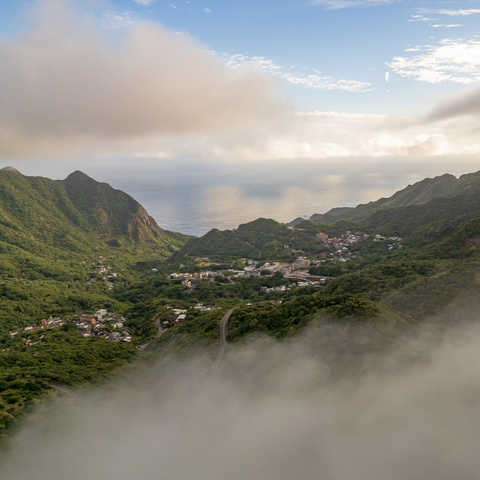
2. Anjouan, Comoros (around 1,400 companies)
Anjouan is this year's headline. It's second only to the UK, showing how fast operators have moved to quick, low-cost offshore licences.
There's no GGR tax, licences can be issued in weeks, and fees are among the lowest around. It's popular with crypto casinos and start-ups, but some payment providers and suppliers are more cautious about it.
Who it suits. Start-ups, crypto-first brands and operators launching fast on a tight budget.
What it costs. €17,828 to issue and the same each year to renew, with 0% GGR tax.
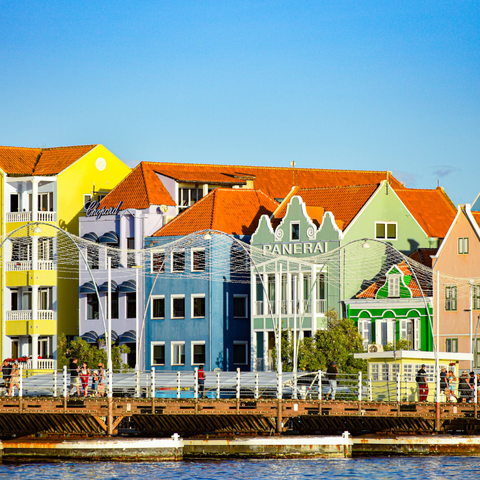
3. Curaçao (around 500 companies)
For years, Curaçao was the go-to offshore licence. Then the new LOK regime raised the regulation. Operators now apply directly to the regulator, and the compliance rules are much stricter. Fewer companies make the cut, but those that do get a stronger licence that payment providers and suppliers trust.
Who it suits. Operators targeting international and grey markets who want a familiar offshore licence with stronger standards.
What it costs. Around €4,600 to apply and €46,000 to €48,000 a year. No GGR tax, just a 2% profit tax. Approval takes 2 to 4 months.
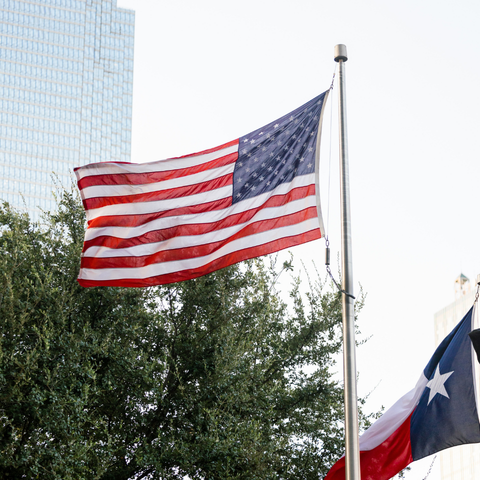
4. United States (around 450 companies)
Each US state runs its own sportsbook and iCasino licences, backed by a large B2B supplier base. FanDuel, DraftKings, BetMGM and Caesars lead the way. You apply state by state, and many states require a local land-based casino partner.
Who it suits. Well-funded operators and suppliers ready for a market-by-market roll-out.
What it costs. It varies by state. Michigan starts at around $150,000 with a 20% to 28% iGaming tax. Pennsylvania can cost up to $4 million, with 54% tax on online slots.
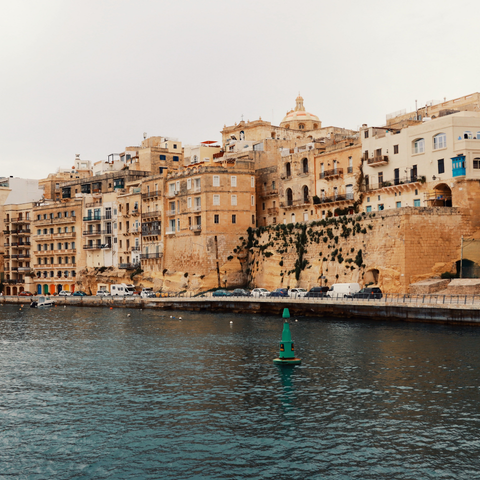
5. Malta (around 350 companies)
Malta remains the EU base for operators and B2B suppliers, including Betsson, Kindred, Evolution and LeoVegas. Banks, payment providers and studios widely trust an MGA licence.
Who it suits. B2C operators wanting a respected EU licence, and suppliers needing a licence operators will accept.
What it costs. €5,000 to apply, €25,000 a year, plus a revenue-based compliance contribution. The 5% gaming tax only applies to players in Malta. First-year spend is typically €80,000 to €150,000.
Beyond the top 10
Some great options sit outside the top 10.
The Isle of Man has around 45 licensed companies, offering a respected tier-one licence with gambling duty of just 0.1% to 1.5%.
Nevis is still too new to rank, but it offers 0% GGR tax, a flat €28,000 annual fee and approval in 2 to 4 months. Read our ultimate guide to gaming in Nevis to find out more.
How to choose the right licence
There’s no single best licence, but the right one passes five tests. Does it open your target markets? Will B2B partners accept it? Can you bank with it? What will it really cost? How fast can you launch? Get in touch and we’ll help you find the licence that ticks every box.
What to watch in 2027
The licensing map keeps moving. Here are five changes to watch over the next 12 to 18 months.
The UK's new betting rate. From April 2027, remote betting rises from 15% to 25%, excluding UK horse racing. Expect tighter sportsbook margins and more diversification.
Curaçao's reforms bedding in. Watch how strictly the LOK rules are enforced, and whether Curaçao's numbers recover as its reputation improves.
Ireland's enforcement. The GRAI is moving bookmakers onto its own licensing regime. Expect enforcement to step up once it's fully in place.
Brazil's growth. With 82 licensees running 190 brands, expect consolidation, tighter rules and possible changes to the 12% GGR tax.
Nevis maturing:
As more operators join, Nevis is likely to start appearing in rankings like this one. Growing licence numbers, increasing industry awareness and a stronger focus on regulatory credibility are all helping to raise its profile. While it is still in the early stages of development, the jurisdiction is building momentum quickly, which is why we see it as one of the industry's most promising growth stories and our tip for the fastest-growing gaming licence heading into 2027.
How Gaming Gateway helps
Choosing a gaming licence shouldn't be a gamble. We build a licensing roadmap around your markets, model and budget, showing which licences to secure first and which to add as you grow. Then we support you through company set-up, licensing, banking, payments and compliance. One team, from first call to go-live.
Let's talk at SiGMA in Rome
Come and meet Koko and the team at SiGMA in Rome to talk through your plans. Can't make it? Contact Koko at [email address].
Wherever you want to take your iGaming business, we're your gateway into the game.